

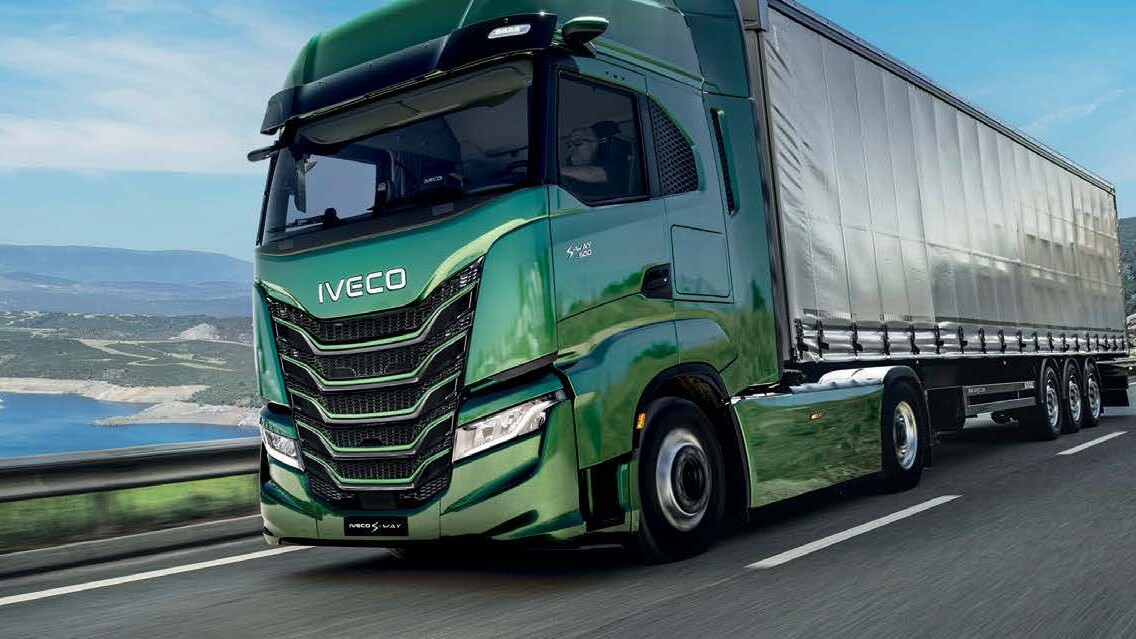
Iveco S-Way will benefit from new Cursor XC13 at Euro-7.
Photos Supplied.
New Zealand hasn’t yet formally adopted Euro-6 (introduced in 2013), and now the Europeans are tightening the screws even further. So, how will Europe’s truck-makers meet the challenge – and how do brakes and tyres enter the Euro-7 picture?
When it comes to reducing heavy-truck diesel emissions, Brussels never sleeps. In April 2024, the latest, and hopefully last, round of European emission regs – Euro-7 – was passed into law. There are two dates for implementation: from May 2028 on all new type-approved trucks above 3.5 tonnes and from May 2029 for all new trucks.
When the European Commission originally published its Euro-7 proposals in 2022, the reaction from ACEA, the industry body representing Europe’s vehicle manufacturers, was, to say the least, lukewarm. “The environmental benefit of the commission’s proposal is very limited, whereas it heavily increases the cost of vehicles. It focuses on extreme driving conditions that have hardly any real-life relevance … The Euro-7 proposal is particularly harsh for trucks … It completely neglects the rapidly accelerating shift to zero-emission vehicles and ignores the effect of future CO₂ targets [since published] for heavy-duty vehicles.”
But why go to the bother of reducing truck diesel emissions even further? According to ACEA, Euro-6 has already delivered major environmental improvements: “Between 2014 and 2020, Euro-6 standards delivered a cut in total Nox emissions of 36% from the EU heavy-duty vehicle fleet. In the same timeframe, total emissions of particulates were cut by 14% from the EU heavy-duty fleet.” It’s an impressive reduction by any yardstick and streets ahead of the original Euro-1 levels introduced back in 1992.
After long negotiations, the bureaucrats and manufacturers finally agreed on the limits for Euro-7. Compared with Euro-6, Euro-7 will further reduce the levels of NOx from 460mg/ kWh to 200mg/kWh (56%) and particulates from 10mg/kWh to 8mg/kWh (20%) based on the World Harmonised Transient Cycle (WHTC) test. These are the two constituents of diesel exhaust most commonly associated with health issues.
Meanwhile, when it comes to reducing overall greenhouse gas emissions, the EU has set separate CO₂ standards for trucks and buses; widening its scope to include more vehicles and trailers, and adopting bolder objectives over the coming decades. While the previous 2025 CO₂ reduction target of 15% remains unchanged, the target for 2030 is now 45%, with 2035 set at 65% and 2040 at 90%. The International Council for Clean Transportation says: “It’s currently the most ambitious greenhouse gas standards for the heavy-duty vehicle sector globally.”
While there’s no doubt that Euro-7 will put even cleaner trucks on Europe’s roads, ACEA insists that “recent studies have shown that the renewal of the older fleet with the latest Euro-6 vehicles, alongside the electrification of new vehicles, would deliver an 80% reduction in road transport NOx emissions by 2035 compared to 2020,” before going on to claim, “The most stringent Euro-7 scenarios (ie, limits for Nox and particulates set at zero) would reduce road transport NOx emissions by about 2% for trucks [by 2035 compared with 2020].”
ACEA’s latest data, which shows the average age of a truck in the EU is 13.9 years (Euro-4 or 5 territory), certainly bolsters its argument that getting rid of older trucks would have a greater impact on reducing pollution than making the next generation of diesels even cleaner. Nevertheless, Euro-7 is coming, and Europe’s truck manufacturers will have to deal with it. And as European Euro 6 products are already being sold in New Zealand, when Europe’s truck-makers introduce their Euro-7 products, it’s hard to imagine that they wouldn’t eventually arrive, too.
Scania, Traton Group, Volvo and IVECO provided useful clues as to how they’ll tackle the forthcoming regs.
Scania
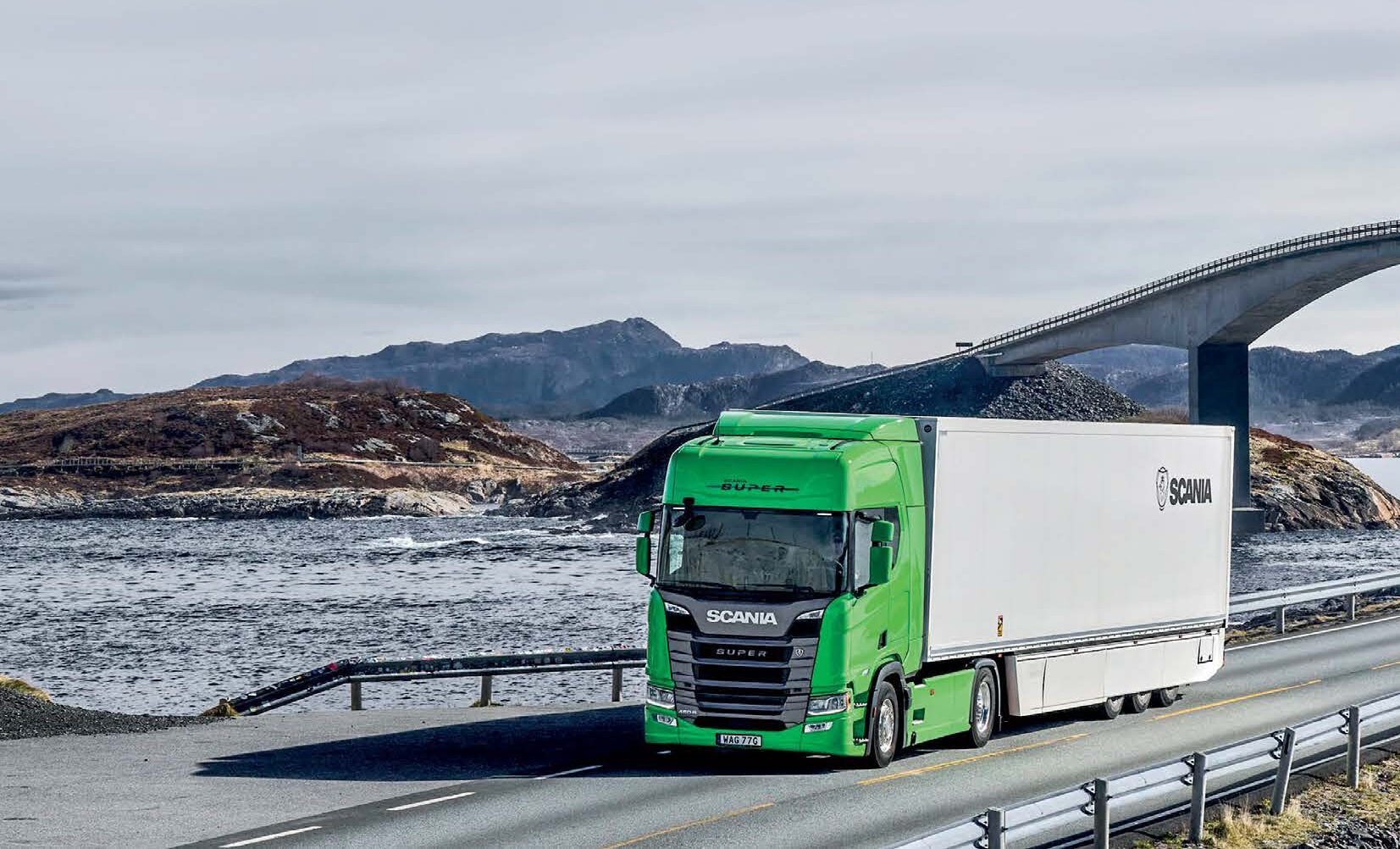
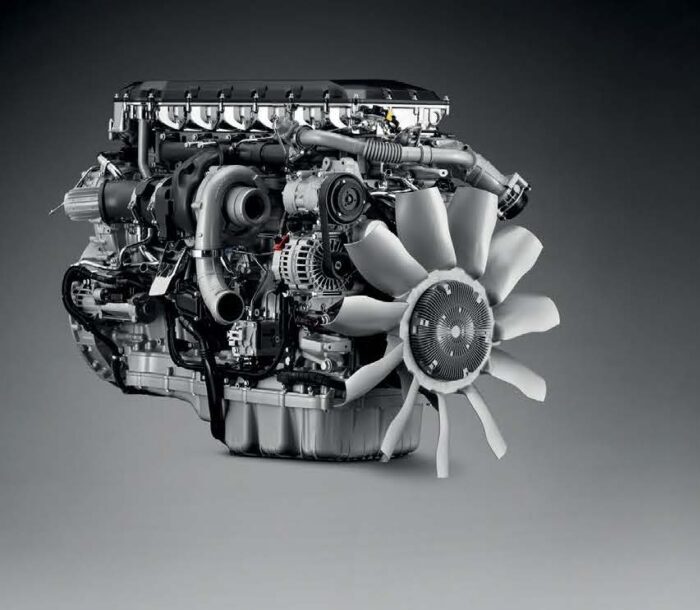
“Following the launch of the Super, we’re in an excellent position for Euro-7 with our high-volume product, the 13L platform. We already have a state-of-the-art engine and exhaust after-treatment system in mass production and with best-in-class fuel consumption,” says Scania. No surprises, then, that it says it will: “Continue to fine tune this concept as our base for Euro-7.”
Expected improvements to Scania’s 13L to meet the forthcoming emissions regs will include adjustments in AdBlue dosing and exhaust after-treatment performance, with improved thermal management – ie, keeping the right exhaust temperature for the catalysts. There’ll be further enhancements to the Super base engine design, too, not least to reduce friction and parasitic losses, as well as to the gas exchange system to reduce pumping losses.
Scania will also look to tweak exhaust after-treatment control systems, plus improve its own XPI common-rail fuel-injection system, with all the changes being “… optimised together and integrated with the entire powertrain and the vehicle”.
Scania’s long-established ‘modular’ build system (applied to drivetrains as well as cabs) will be an important lever for balancing emissions and fuel consumption.
Meanwhile, the burning question is ‘What about the V8?’ Reassuringly, all the signs point towards it continuing into the Euro-7 era.
Traton
Being part of the global TRATON Group also gives Scania access to shared engineering firepower, not least on drivetrains. Its 13L ‘Commons Base Engine’ (CBE) platform, first seen in the Super, is now used by fellow group members MAN and International Motors. At the time of the Super launch, Scania’s CEO Christian Levin declared: “This is the last diesel engine platform we will develop.” The current position is: “The 13L CBE1 may have been the last ‘from scratch’ engine platform we developed, or it may not.”
Why the equivocation? As a truck seller in all parts of the world, Scania still must compete in those markets. “In these places, we need to supply the best solution for the customer and the environment.” In the short term, that will inevitably be a diesel engine.
With MAN now sharing the same 13L CBE (MAN calls its version the PowerLion), its 13L approach to Euro-7 is likely to be the same, although Munich has yet to confirm whether its 9L D15 and long-serving 13L D26 in-line sixes will meet the standard. Conversely, its 15.3L D38 should clear the forthcoming emissions hurdle, not least as MAN still requires a large engine. For the record, in its reworked 16.8L form, the D38 is also the platform for MAN’s H45 hydrogen combustion engine, recently revealed in Europe.
Volvo
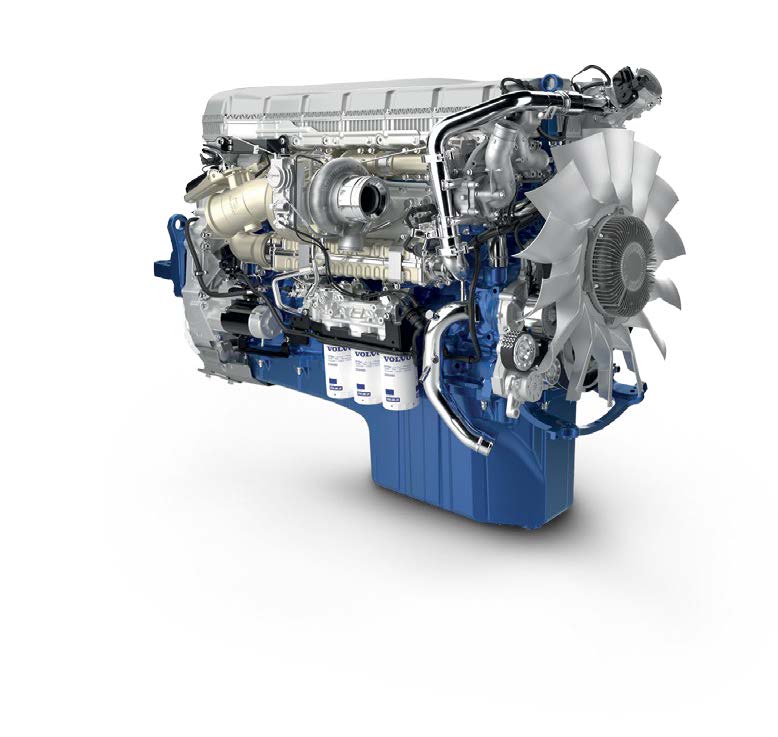
While Volvo wouldn’t comment on specific solutions to meet the legislation, it says, “We are positive towards Euro-7.” By that we take it that it has all the tools needed to meet the rules.
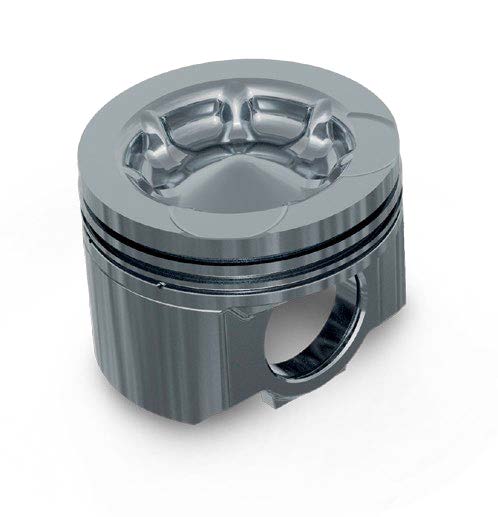
Moreover, it’s not going out on a limb to say that Volvo’s latest 17.3L D17A diesel has been developed with one eye on future emission levels. Among its improvements over its 16L predecessor are higher peak-cylinder pressures, a single-stage variable geometry turbocharger, the same ‘wave’ piston design used on Volvo’s fuel-sipping D13 I-Save engines, and an improved fuel system and injectors.
It’s unclear what will be needed on Volvo’s 13L and smaller D11, D8 and D5 diesels.
Despite its recent impressive steps towards electrification, Volvo maintains: “We believe that the combustion engine will have a role to play also beyond 2040, and renewable fuels like biogas, HVO or green hydrogen will have a bigger role. The combustion engine is part of our three-path strategy to decarbonise.”
Iveco
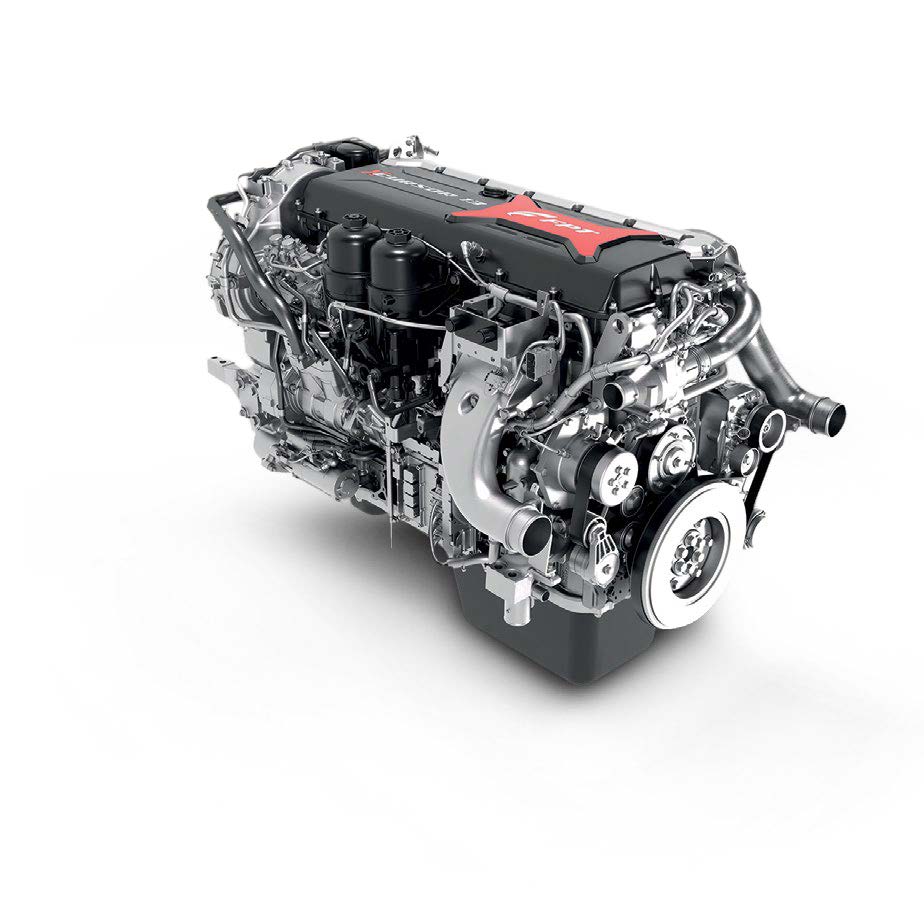
Steve Powell, Iveco UK’s product manager and alternative propulsion lead, says: “For model year 24, we introduced the new Cursor XC13 engine – our first multi-fuel single-base engine, meaning it has provisions for future technologies such as hydrogen internal combustion. It’s been designed with Euro-7 in mind, and features a new design of turbocharger, new software, new materials resulting in a reduction of friction between moving parts, and a new cylinder head that contributes to higher peak cylinder pressures leading to greater efficiency.”
Powell confirms: “The new XC13 will be used in the full Iveco Way truck range from 18 tonnes upwards and from 460hp to 580hp. Fiat Powertrain Technologies [Iveco’s engine partner] is committed to continually developing our diesel engine range to ensure it meets all future emission regulations. We also expect alternative fuels to play their part in the overall emissions targets we have set.” (Iveco has been promoting its natural gas engines for some time.)
Mercedes-Benz
The response from Mercedes Benz was another ‘all will be revealed in the fullness of time’. “Unfortunately, we can’t share any specific product developments yet regarding future Euro-7 compliance. However, it’s a focus of Daimler Truck AG to ensure its products are technologically compliant with the latest legislations,” says Amy Carter, head of product at Daimler Truck UK.
In the meantime, sharp eyed readers will have already noted previous references to increasing peak cylinder pressures for meeting Euro 7. Likewise, higher injection pressures could also play a part in Euro-7 compliance, not least because they allow more discreet control of the actual fuel insertion process in terms of duration and volume, allowing multiple injection events across a single combustion cycle – today’s large displacement diesel engines typically having pre-, main-, and post-injection phases to maximise fuel economy and control NOx and PMs.
Brakes and tyres included
Euro-7 will be the first worldwide emission standard to also set additional limits for particulate emissions from brakes and rules on microplastic emissions from tyres – the rules will apply to all cars, vans, trucks, buses and trailers and will be progressively introduced from 2028, starting with all new type-approved products. This includes limiting the emissions stemming from ‘tyre abrasion’. Only tyres with abrasion rates below the Euro-7 limits will receive type approval.
For truck tyres, the development of test methods has started but isn’t yet confirmed. The limits are currently under development at the United Nations Economic Commission for Europe (UNECE).
Right now, it’s too soon to say whether the new regs will mean some existing tyre products will be ‘retired’.
Altogether, the impression we’ve gained from the manufacturers is that fuel economy is unlikely to suffer under Euro-7. However, if urea dosage levels are increased to meet the tighter emissions levels, total running costs will inevitably be affected.
And now to the tricky part. The time gap between now and 2040 represents two, or possibly three, vehicle replacement cycles for larger fleets. Throughout that time, Europe’s truck manufacturers will have to invest heavily in their future zero-emission models and also spend money on ensuring their current internal combustion engines meet Euro-7 and ongoing CO₂ reduction targets.
It’s a point that Martin Lundstedt, Volvo Group CEO and former chair of ACEA’s Commercial Vehicle Board, made back in 2022: “To comply with Euro-7, truck-makers will have to move substantial engineering and financial resources from battery and fuel-cell electric vehicles back to the internal combustion engine. This will severely impact our transition to zero-emission vehicles.”
Read more

90 years of Fun Ho! toys
0 Comments5 Minutes