
New Zealand’s highways: A new era of road rehabilitation

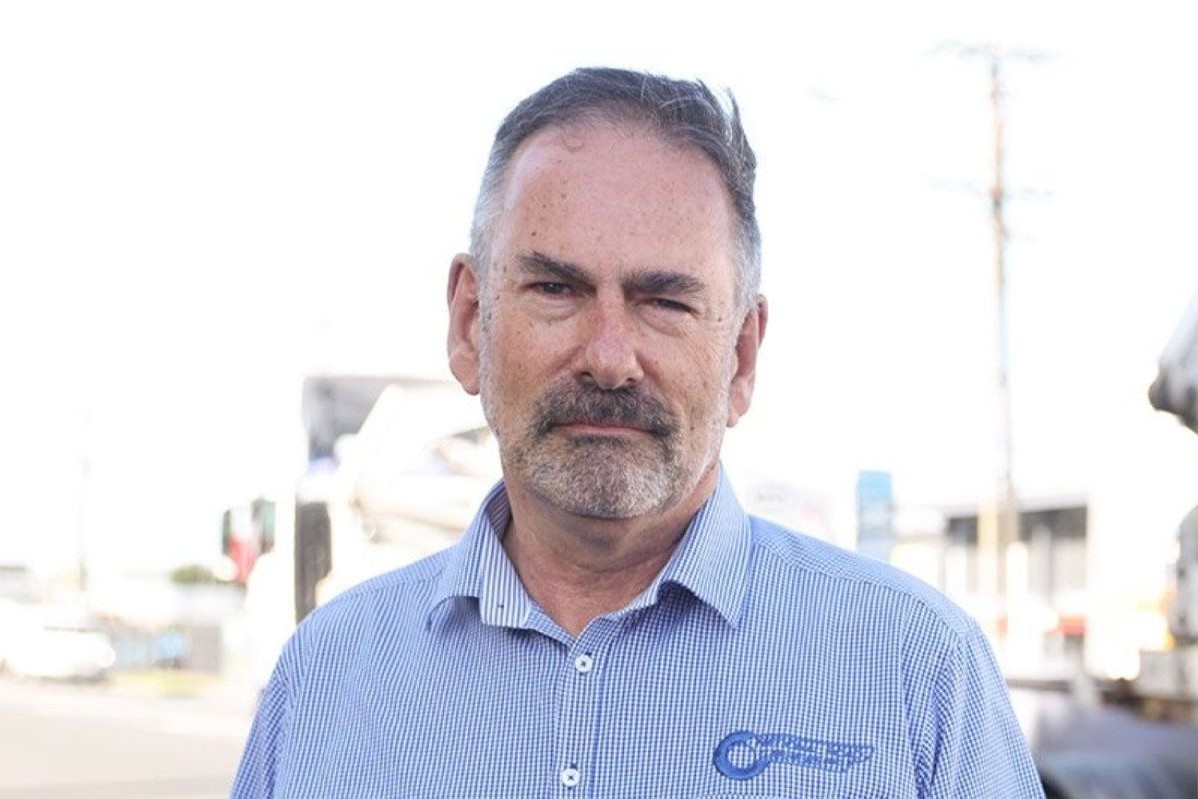
The latest On Schedule podcast brought a refreshing dose of optimism to New Zealand’s roading sector. Andrew Clark, NZTA Waka Kotahi’s national manager for maintenance and operations, outlined the scale of work underway across the state highway network and how the agency is keeping the travelling public front of mind.
The 2024/25 work season tells the story. NZTA delivered 329 lane kilometres of full road rehabilitations – nearly triple the 121km achieved in 2023/24 – while maintaining resealing rates. Replacing fatigued pavements with more resilient surfaces marks a turning point for New Zealand’s road network.
This has been enabled by increased funding. The 2024–2027 National Land Transport Programme allocated more than $4 billion to maintenance and operations, including over $2 billion ring-fenced under the State Highway Pothole Prevention Fund. The government’s intent was clear: get back to basics and improve the quality of the asset itself, not just patch problems.
Doing things differently
Funding alone does not deliver better roads; it is how the money is spent that matters. The Tīrau to Waiouru Accelerated Maintenance Project (T2W) is a clear example. Andrew talked about how this was one of the most ambitious programmes ever undertaken; it condensed four years of work into two, rebuilding and resealing almost 120 lane kilometres of SH1 in less than six months.
The statistics are striking: 110,000 road crew hours, 198,000 tonnes of aggregate, up to 145 truckloads daily, zero lost-time injuries and 32 contracting firms working together. At completion, T2W will have rebuilt 27% of the SH1 corridor between Tīrau and Waiouru.
This output was only possible through block closures – shutting sections of highway completely for 24/7 work. While unpopular at first, they reduced long-term disruption. Utilities such as Transpower and Chorus also completed upgrades, avoiding years of rolling works. Public sentiment swung from 9% positive at the outset to 91% by reopening – proof that results win support. Feedback from transport operators has been overwhelmingly positive.
Pride in the network
For freight operators, reliability is critical. NZTA’s renewed focus on keeping the freight sector at the centre of decision-making is rebuilding pride in the network.
This engagement is evident in the next T2W phase, where feedback has led to a modified approach that avoids full closures. It also extends to traffic management. From 1 September 2025, the new risk-based New Zealand Guide to Temporary Traffic Management replaces the old prescriptive model. For freight, this means fewer ‘lonely cones’ and unnecessary hold-ups, leaner setups, and lower costs – a welcome change given traffic management has consumed around 15% of project budgets.
A smarter approach to durable roads
Operators often express frustration at rework soon after roads reopen. Andrew explained how NZTA is tackling this. Much of the groundwork is now completed before the final asphalt layer is applied. This allows continual testing and correction of defects, with asphalt laid during short overnight closures. Drivers may notice holding treatments in the meantime, but these are deliberate – part of a strategy to ensure durability and value.
A new delivery model
From April 2026, NZTA will replace the long-standing network outcomes contracts with the integrated delivery model (IDM). Asset management and customer communication will return in-house, while 17 integrated delivery contracts handle most maintenance and renewals.
For NRC members, this means faster delivery, less duplication and more predictability on freight routes. With at least 20% of work contestable each year, more local contractors will be directly involved, bringing regional knowledge that lifts quality. Payments can be withheld if standards are not met, ensuring accountability and stronger, longer-lasting roads.
Looking ahead
The summer maintenance season is underway. From September through April, NZTA crews will reseal, rebuild and renew nationwide, coordinating projects to avoid repeated stops on key routes.
Not every decision will please everyone, but momentum is undeniable. Andrew and his team are taking a fresh approach, listening to the freight community and trying new ways to improve the network.
If you are interested in roads and road building, this podcast is a must-listen. NRC will continue to engage closely with NZTA to ensure freight operators’ needs remain central. Keeping heavy transport moving safely and efficiently is vital for New Zealand’s economy – and industry experience will play a key role in shaping how this ambitious programme is delivered.