
Norman Chapman chronicles a brief history of Commer models from the company’s start in the early 1900s to its demise eight decades later.
The Commercial Car Co was formed in 1905 at Lavender Hill in South London. The company soon outgrew these premises and relocated to Biscot Road in Luton. The first vehicles produced were chain-driven four-wheelers, which covered one-and-a-half-, two- and seven-ton gross weights. The company began to export to Canada, the US, Australia and New Zealand and other parts of the world. The most popular vehicle of these times was the RC type, of which 3000 were built for the War Office in World War I.
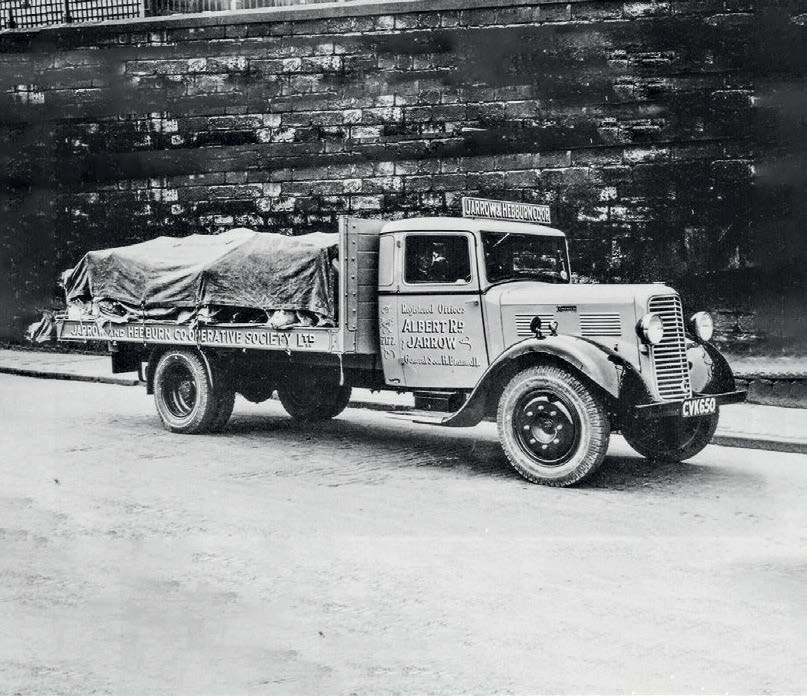
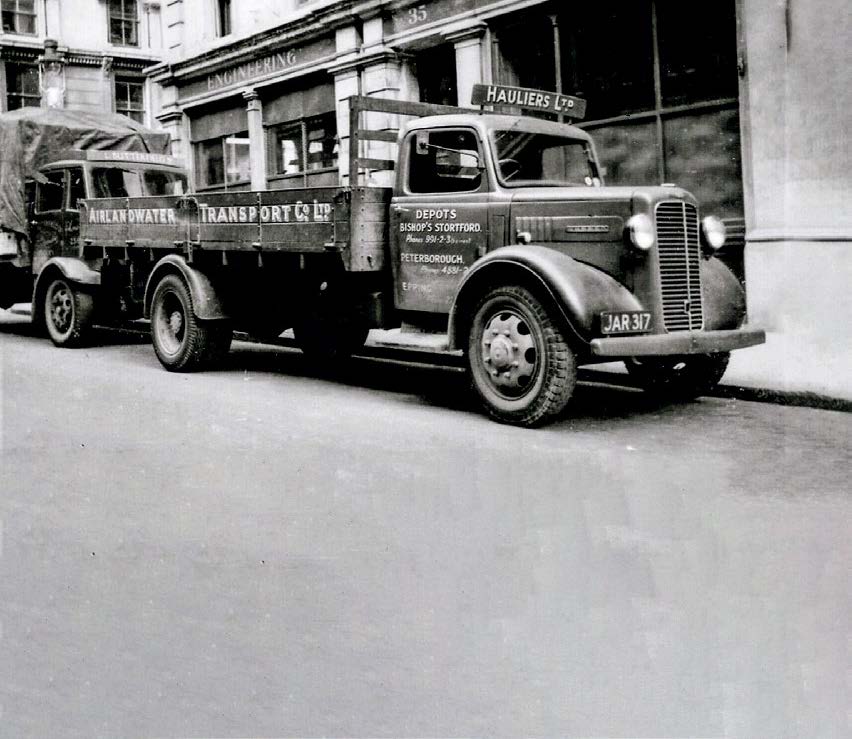
In the post-war years, Commercial Cars was struggling, and in 1926 Humber Cars took control of the business, renaming it Commer Cars. Two years later, Commer was absorbed into Rootes Ltd, owned by Reginald and William Rootes. In 1936, the five-ton, LN5 lorry was introduced, with an all-steel cab and doors that opened from the front.
The more refined Q-type Superpoise arrived in 1939 with options of either Humber petrol or Perkins diesel engines. More than 20,000 of these were supplied to the armed forces during World War II.
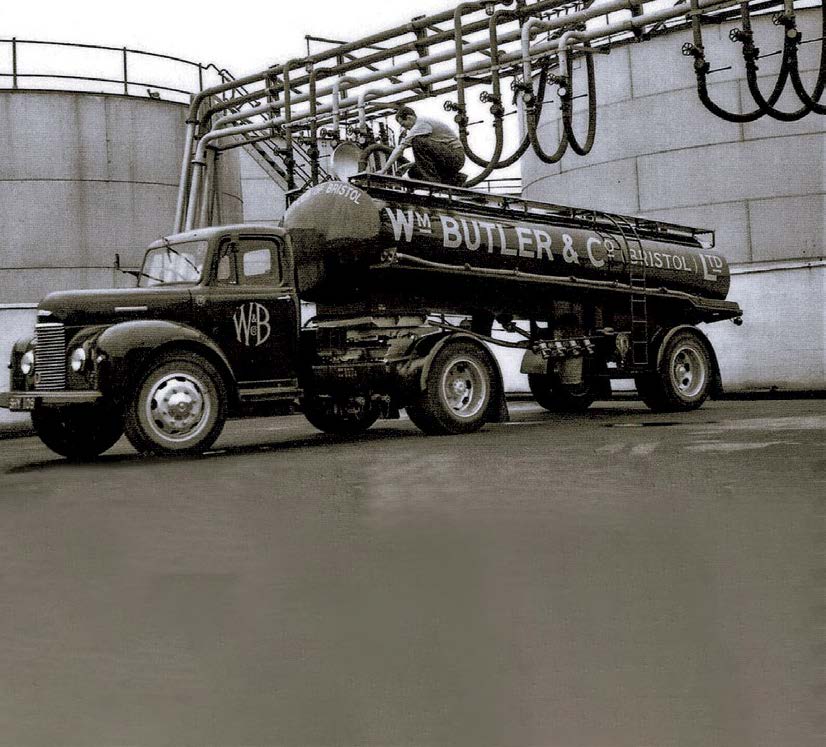
The Superpoise series was updated in the late 1940s, with very smooth lines, and joined the first forward-control model, the QX.
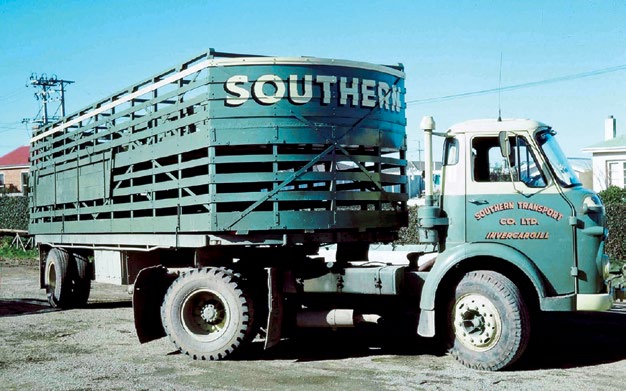
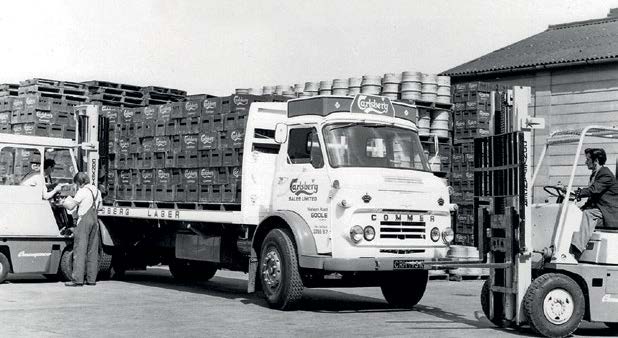
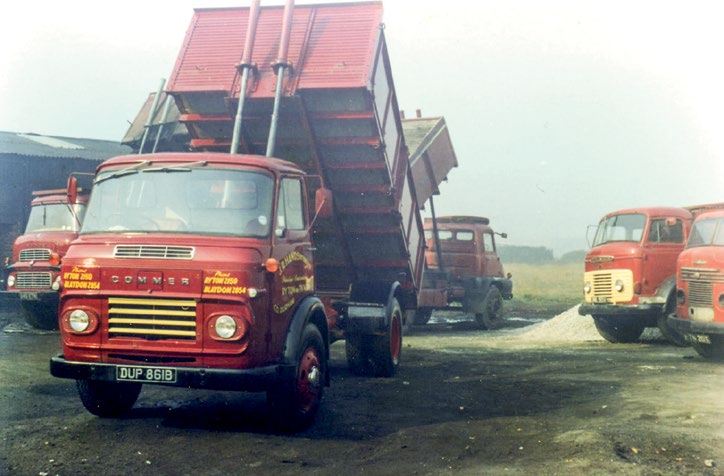
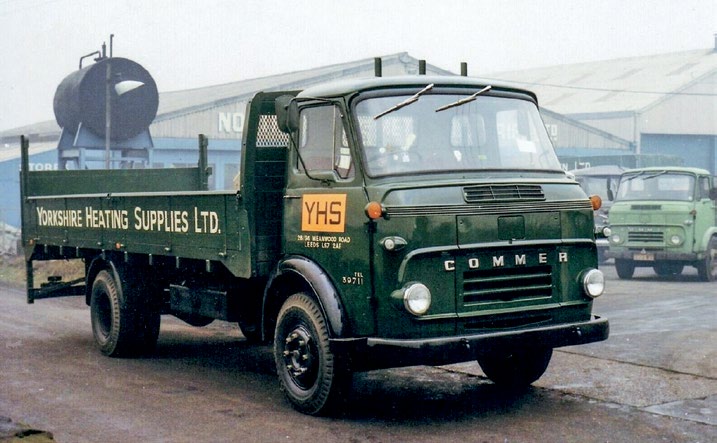
In the early 1960s, Commer introduced the V and C series ranges; the V models were powered mostly by Perkins diesel engines, but some rare models had four-cylinder petrol engines. The C series had the Rootes TS3 two-stroke diesel motor. The new product line replaced the QX range, which was introduced in 1948.
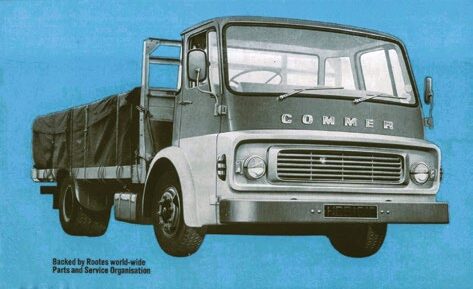
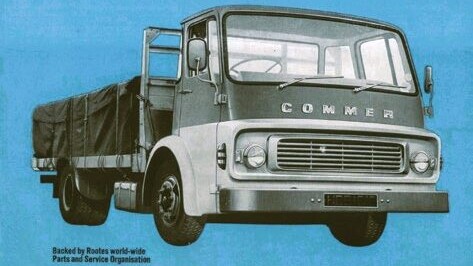
The few variations of the middleweight V range included the VA, the VB and the VC models. Subtle differences were made to the front of the cabs on all of the range. For example, the ‘VA’ had single round headlamps mounted in a lozenge-shaped panel. The GVW options were four, five, six and seven tons.
The VC, on the other hand, had round headlamps on raised mounts. Plated weight options were eight, nine and a half, 10.5 and 13 tons. There was also an 18-ton gross tractor unit The lightweight models had the Perkins 4.236 four-cylinder diesel coupled to an Eaton four speed box and an Eaton rear axle. The heavier models had the Perkins 6.354 diesel engine or the TS3 motor, a five-speed Eaton manual gearbox, and an optional Eaton two-speed rear axle, which most operators chose.
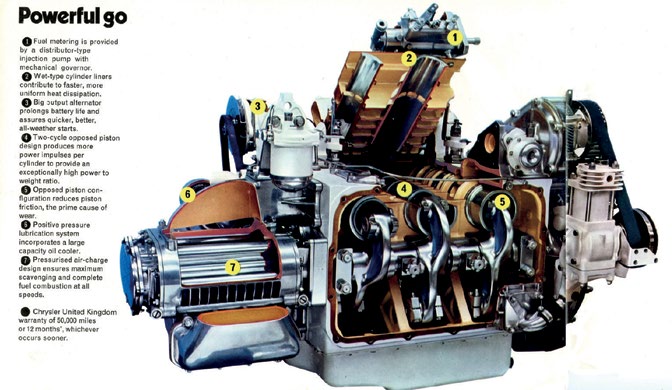
The C model series was less complicated with one engine, the TS3 three-cylinder, opposed piston, two-stroke diesel, rated at 125hp (93kW). The vehicle was classed as heavy duty, so the chassis rails were made deeper. There were four wheelbase length options and two gearbox choices of five or six speed. The cab was fitted with twin headlamps, and depending on the vehicle’s application, the exhaust was fitted below the front bumper or along the chassis. Rigids had the CA, CB and CE designations. There were also the CC12 and CC15 tractor units plated at 18- and 24-ton GTW.
The new cabs were the same over the full range and built by Sankey of Birmingham.
A brief stint in Germany
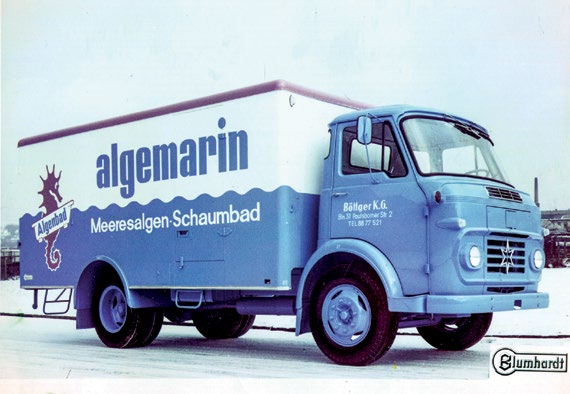
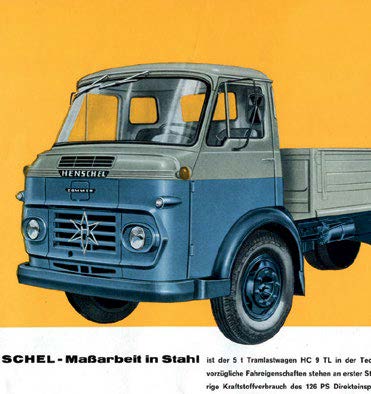
As mentioned, since its formation, Commer had always sold its products globally, including to Canada, South Africa, Australia, the US, India and Europe. Germany wasn’t a market but, interestingly, German manufacturer Henschel contacted Commer in the mid 1960s. Henschel was seeing a customer demand for a five-tonner, but the company didn’t produce one. It formed a short-lived agreement with Commer to sell the V model, with the Henschel badge, through Henschel dealerships.
The Maxiload
In 1965, UK four-wheeled tipper operators, especially, were happy because of the recent revival of Construction and Use Regulations (C and U). The major change was the increase in the permitted maximum gross weight of up to 16 tons. Commer, like all of its competition, introduced a chassis for this new GVW category, aptly named the Commer Maxiload.
The Maxi was available in three wheelbases of 12ft 9in (3.88m), 14ft 8in (4.47m) and 17ft 11in (5.46m), and the suspension design had been up-rated for 16-ton operations.
The (Tilling Stevens) TS3 engine
With the Maxiload, Rootes continued to use the TS3 diesel motor, which was first used by Commer in the old QX model. The engine design was over 17 years old and seen by many as the most unconventional engine powering any British lorry. The new TS3D.215 motor was a higher-power, larger-bore version than earlier engines.
To go with the larger bore size and output, a modified CAV rotary-type fuel pump was fitted to increase fuel delivery. Also, the timing gear was brought bang up to date with new-style sprockets, driven by a rubber timing belt with a plastic cover used to protect the belt and timing gear.
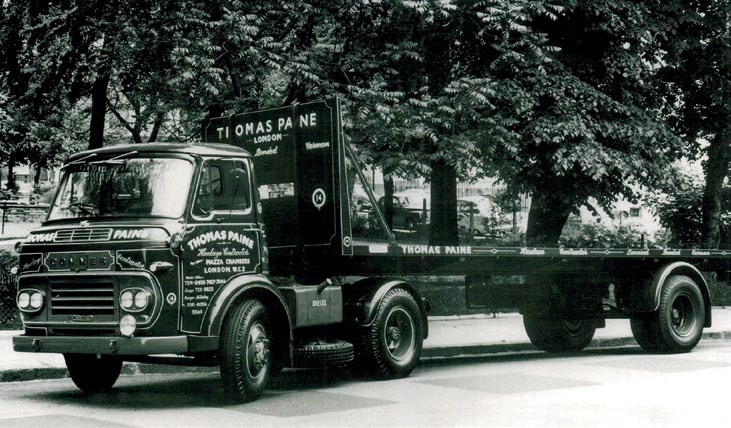
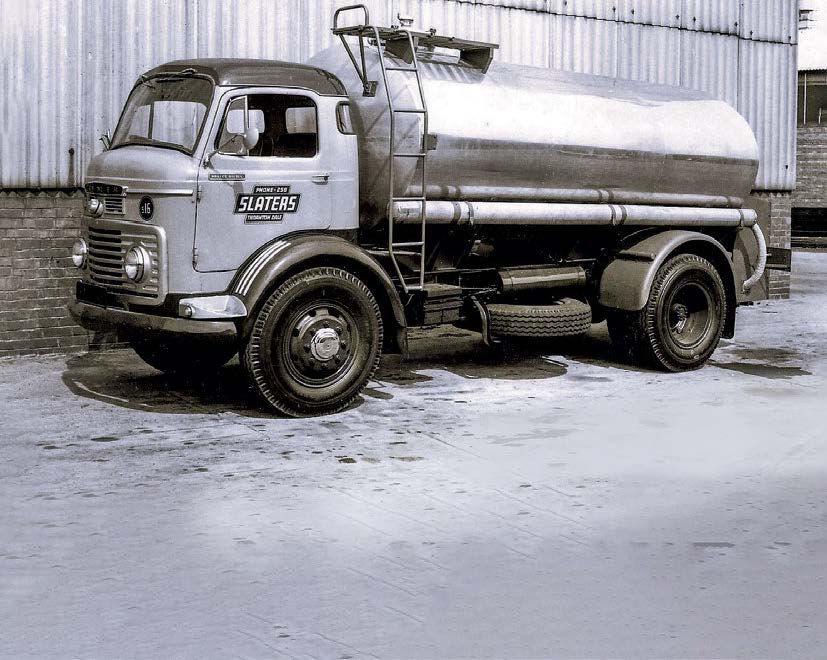
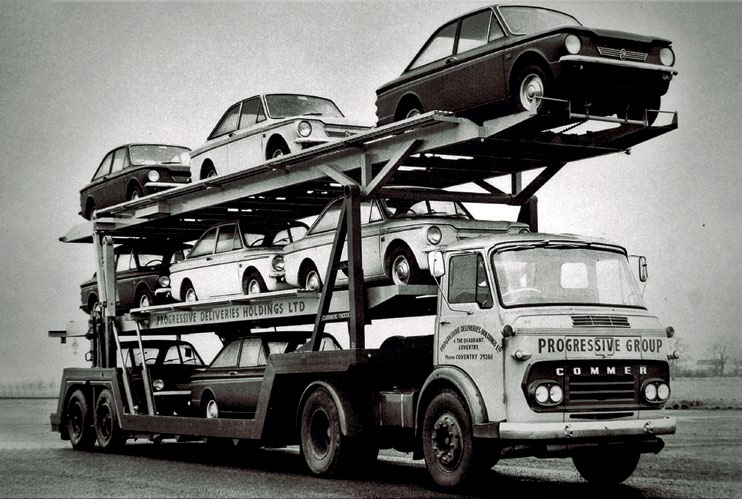
The Maxi was fitted with the same Sankey-built cab. Now called the Luxury PLUS cab, the bulk of improvements were on the inside with a higher level of trim compared with the V cab and the emphasis was on better insulation against engine noise. Extra padding was used on lots of the internal metal surfaces. The fitting of the TS3 meant the cab had a flat ‘walk-thru’ floor with a foam-backed rubber floor mat.
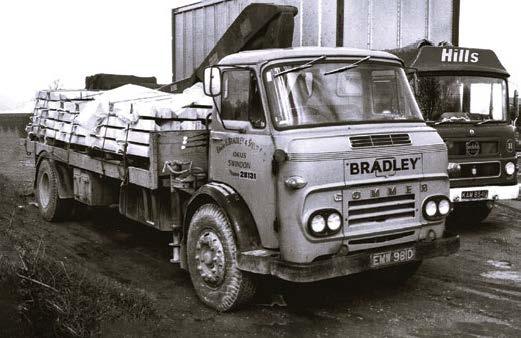
The twin round headlamps were carried over from the C range, but the front wings were much wider and an identifiable feature.
Access to the engine was good, with hinged covers under the seats. Lifting the driver’s seat cover allowed the checking of the levels of the engine oil, power-assisted-steering and hydraulic-clutch reservoirs. Lifting the larger cover under the passenger seats gave good access when major work was required on the engine.
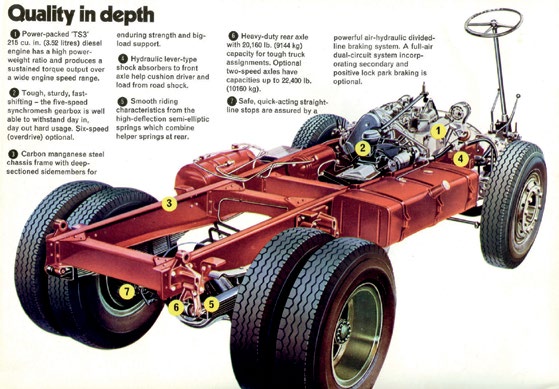
Drive from the TS3 was through a five-speed synchromesh gearbox as standard. Shrewd operators bought the optional six-speed overdrive box for an extra £30. They also specified the optional Eaton 18802 two-speed rear axle option for an extra £95, which was more robust than the standard axle. A hydraulic power assisted steering system was standard fitment to the wagon.
The brakes were Westinghouse full air on two separate circuits. These included a dual concentric foot valve and dual diaphragm chambers. The new C and U regulations required the secondary circuit as an emergency brake system. The control valve style handbrake would be used in this situation with the lever held in the fully up position by the driver.
Recent changes to tyre equipment saw the use of 10.00/20-size tyres, which had the option of cross ply or radials. These were fitted to 10-stud wheels to deal with the 16-ton GVW, and the lorry had a wider track, this being the reason for the wider front wings.
The basic price of the Maxiload when introduced was £2455 for the chassis and cab.
Carbon build-up
With the engine being a two stroke, there was always a problem with carbon build-up. A fuel additive was developed in the attempt to reduce this. I will always remember one pitch black night, following a Maxi and seeing lumps of red-hot carbon coming out of the exhaust. Once seen, never forgotten.
The final chapter (or when the Commer became a full stop)
In 1974, a new truck named the Commando was introduced as a replacement for the V series.
Commer intended to launch the truck in about 1965/66 but brought out the Maxiload in the interim. Originally, Commer was going to fit the TS3 motor but changed its thinking because of engine noise. In the UK-spec Commando, power came from Perkins four- and six-cylinder naturally aspirated engines and Perkins six-cylinder turbodiesels. In the European version, the Mercedes-Benz OM352 engine was fitted. The Commando was originally available as 7.5-to-16 ton GVW rigid and 18-ton GTW tractor units. Heavier capacity tractors were launched later.
Identity crisis
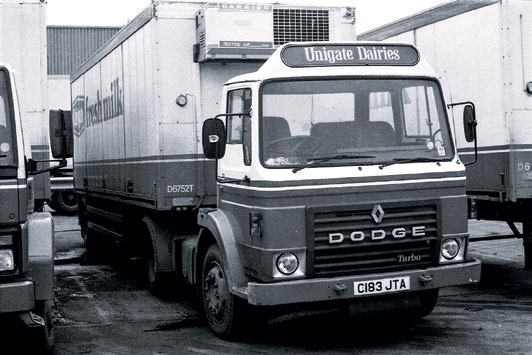
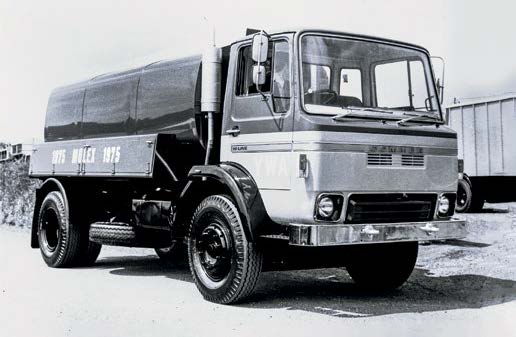
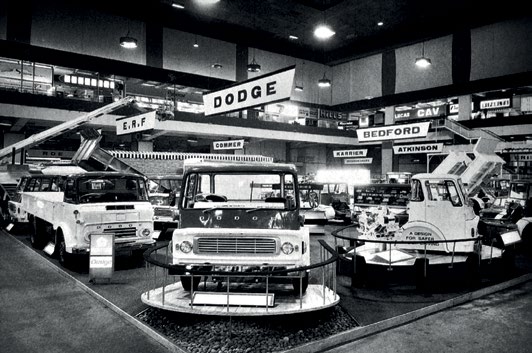
The Chrysler company, which owned Dodge Trucks UK, effectively gained control of the Rootes Group in 1967. The Dodge rebranding appeared sporadically with the Dodge name replacing Commer and vice versa.
Not long after the Commando was launched, the Commer name was replaced with the Dodge badge and called the Dodge 100 Commando. By the late 1970s, Chrysler sold its European operations to the French Peugeot-Citroen Group, which later sold the business to Renault.
So, the Commando later sported the Renault diamond and lived again for several years.