
When it comes to the private and public responsibility for climate action, whose job is it and who’s to blame?
As I booted up my computer to write this, Bill McKibben’s newsletter landed under the banner ‘Notes on Camp’. Unless you’re a climate junkie, you likely won’t know McKibben, a father-figure of climate engagement, including founding the global 350.org movement. Nonetheless, he begins with heartfelt sympathy for the victims of the Texas flooding, then widens to the summer camp itself.
“A well-run camp strikes me as a reasonable analogue for a well-run society in that it attempts to maximise opportunity while minimising risk … and balancing that tension is a big reason why we form governments and adopt rules.”
So, where might climate crisis tensions fit, and should we look to the government to balance them? It’s not helped by being a colossal global issue, driven largely by a swarm of private actions, especially those involving driving vehicles.
It’s not as binary as ‘public or private responsibility’, any more than road safety is. And it further blurs when we factor in ‘corporate’, which is doubly problematic when our economic system is geared towards corporations privatising profits while treating many costs as ‘externalities’ that draw against public balance sheets, private purses or nature.
For the oil industry, the climate crisis is an externality on steroids, with massive costs that rarely sit on the industry’s ledger. McKibben joins the dots between congressman Chip Roy (in whose district the summer camp lies), Roy’s NZ$1,000,000 campaign funding from oilcos, his undermining of renewable energy projects, and fossil fuels exacerbating the climate crisis.
Texas, the Oil State, is home to giants like ExxonMobil which, in 2023, was exposed by Harvard: “…between 1977 and 2003, excellent scientists within Exxon modelled and predicted global warming … only for the company to then spend the next couple of decades denying that very climate science.”
Jump to Nelson City Council, navigating between the devil and the deep blue sea on climate strategy, and experiencing the tensions McKibben described. On the one hand, the council set an ambitious decarbonisation target that will stretch our resolve, yet it is still barely adequate for the task. On the other, the consequences of not doing enough are unimaginably awful and worsening every day.
Add in Nelson’s globally extreme car usage, and the council having limited levers to pull, and the private/public debate turns pear shaped.
But we can’t just walk away, so here’s my take: It’s not one or the other, but activating every tool in the box to cut emissions.
- Citizens and government must shape responses together, and Citizens’ Assemblies seem really promising. Watch this space.
- Individuals can do heaps to reduce emissions, especially from transport and food.
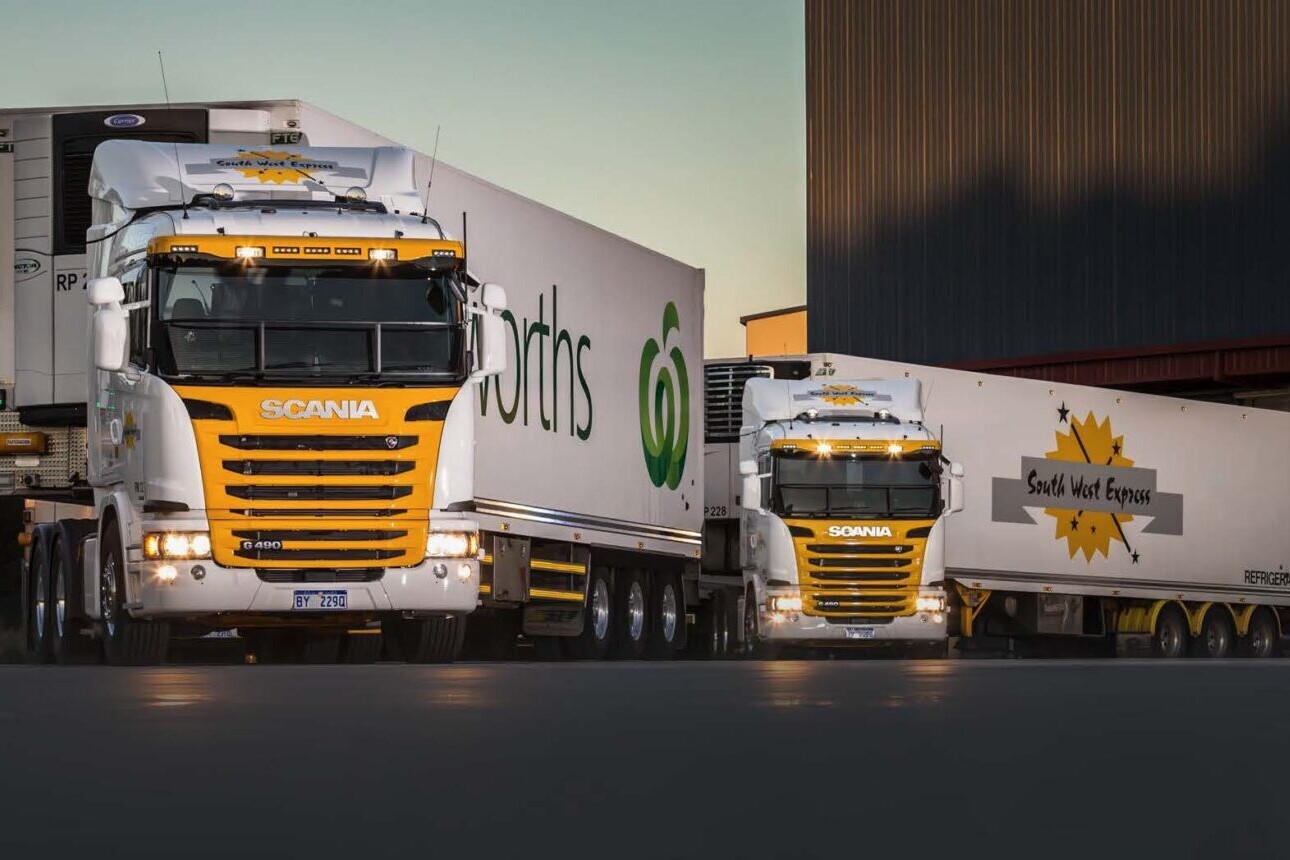
- Government must drive strategic change to propel action, e.g, HGV fleets won’t electrify as fast if charging infrastructure is mired in bureaucracy.
- The government has a central role in keeping us well informed and in resisting back-door access for lobbyists. We’re presently going backwards on both.
Let’s close with McKibben’s take on Roy undermining climate forecasting and renewable energy. “In summer camp terms, he and his colleagues fired the lifeguards and pulled in the buoy ropes that mark the safe place to swim.” Clearly, tackling climate change is more than just a toss-up between private and public responsibility.
Lindsay Wood, MNZM, runs climate strategy company Resilienz Ltd. He is active in policy, and on IT tools for decarbonisation, and speaks, writes and broadcasts widely on climate issues. In 2024 he was made a Member of the New Zealand Order of Merit for services to climate awareness and environmental sustainability.
Read more

From tiny acorns
0 Comments4 Minutes