
Freight finally front and centre: a path to a more productive New Zealand

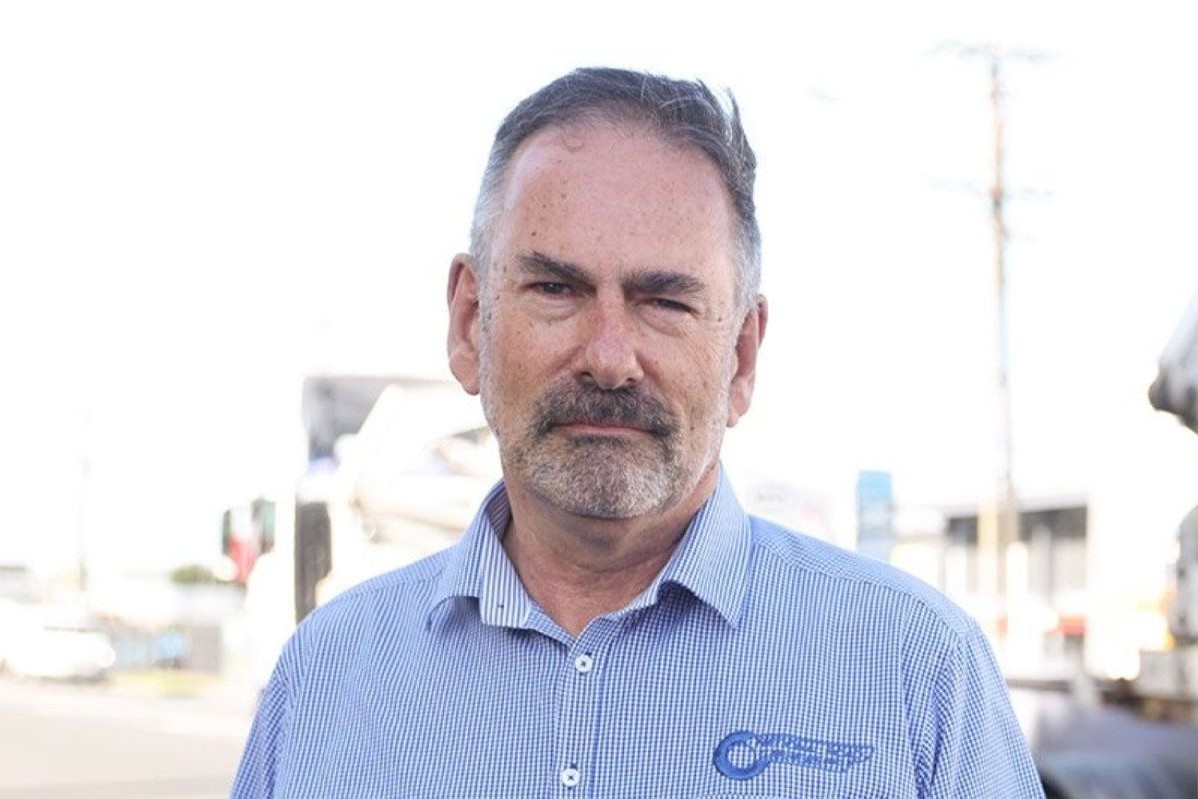
For too long, freight — the essential engine room of our economy — has been overlooked in transport planning. However, in NRC’s recent On Schedule podcast, Transport Minister Chris Bishop made clear that change is underway. Freight is now front and centre in government policy, a vital shift if New Zealand is to unlock its full economic potential.
The Tauriko West project in the western Bay of Plenty exemplifies this new focus. NZTA has approved a multi-billion dollar investment case to upgrade key freight corridors alongside $97.2 million for route protection. Tauriko West has also been designated one of 17 Roads of National Significance (RoNS), sending a clear message: freight matters.
The $2.8 to $3.3 billion Tauriko West upgrade will deliver major improvements to SH29, currently burdened by capacity constraints. These upgrades aim to ease congestion, support the Tauriko Business Estate, and enable up to 30,000 new homes by 2063. Improved travel times and safety benefits are also expected, delivering productivity gains well beyond the region.
The minister emphasised that freight has long been invisible in the transport system. Ordinary Kiwis rarely consider how goods arrive at supermarkets or stores — they simply expect them to be there. COVID-19 briefly raised public awareness of supply chains, but attention quickly faded. The minister’s efforts to shift that narrative are timely and critical.
Importantly, freight is not just receiving lip service. The government’s latest Government Policy Statement on Land Transport directs NZTA to prioritise projects boosting freight efficiency, particularly through the RoNS programme. Investment in key corridors — such as the golden quadrangle linking Auckland, Hamilton, Tauranga, and Whangārei — is a core part of the plan. From Northland’s expressway improvements to Christchurch’s freight links, the commitment to moving freight smarter and faster is evident.
A key advantage is having a minister who also holds the housing, infrastructure, RMA reform and associate finance portfolios. This allows transport, land use, planning approvals and funding to be considered together at a systems level. Such a joined-up approach is crucial for overcoming the silos that have slowed progress and is already delivering more integrated, future-proofed outcomes.
Moreover, the minister’s open attitude is encouraging. He acknowledges that improvements are needed not just in infrastructure but in how freight productivity is measured and managed. He welcomes ideas to embed freight more explicitly into transport agency priorities. “The importance of freight has been underemphasised for quite some time,” he said. “From a system point of view, I’m open to any improvements needed to elevate freight within the policy-setting process.”
For the freight sector, this represents a critical opportunity. Measuring the freight task, setting clear goals for improvement, and tracking performance are basic yet powerful steps to drive national productivity.
The conversation around funding and resilience was also revealing. With New Zealand facing a $120 billion infrastructure need but only $55–60 billion in revenue, smarter funding models are essential. The minister emphasised the importance of planning ahead: “We have to face up to the long-term revenue challenges in transport. That means considering new funding tools like tolling and ensuring we sequence and prioritise projects properly to get the best value for New Zealanders.”
His willingness to consider tolling for projects like Tauriko West (with a benefit-cost ratio of 1.7 if tolled) reflects a pragmatic approach. Public-private partnerships and the upcoming National Infrastructure Plan should help secure long-term support for critical freight routes.
This marks a genuine turning point. Freight is no longer an afterthought in transport discussions but is being recognised as the lifeblood of the economy. With 93% of goods moved by road, any inefficiency in the freight network impacts every New Zealander, whether they realise it or not.
There is still much work ahead. Embedding freight at the centre of policymaking, agency planning and infrastructure investment will require persistence. The freight sector must continue to advocate strongly and offer constructive, system-level solutions. But the direction is clear — and it is the right one. Thanks to strong leadership and a renewed focus, New Zealand is poised to move faster, more efficiently and more productively than ever before. Freight is finally on the radar — and our future prosperity depends on keeping it there.