Keeping people at work: the true cost of injury in road freight
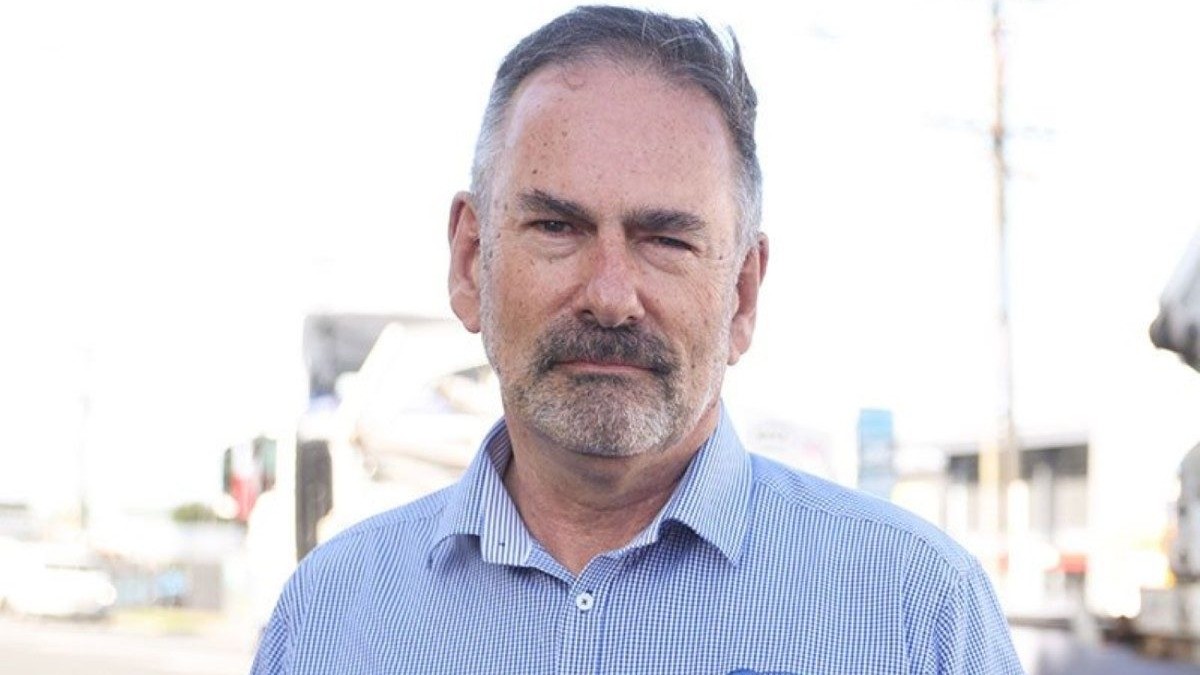
In our most recent episode of On Schedule, I had the pleasure of speaking with Amanda Peart, manager, business engagement and partnerships at ACC. It was an eye-opening conversation that pulled back the curtain on just how much injury is costing our industry – not just in dollars, but in people and productivity.
Amanda shared some daunting, but important, statistics: more than 18 million workdays were lost due to injury across New Zealand last year. That’s the equivalent of 50,000 full-time workers not turning up for work – every single day of the year. These figures are a stark reminder of the hidden cost of injury and the long-term impact it has, particularly in a sector like road freight where margins are tight and our people are essential.
Lost time = lost people
One of the most striking takeaways from the podcast was the correlation between the length of time off work and the likelihood of returning. As Amanda explained, if someone is off work for 20 days, their chance of returning to their job is about 70%. However, after 45 days, the rate drops to 50%, and at 70 days, it plummets to just 35%.
That’s not just a loss of a staff member – it’s a potential permanent loss of experience, productivity, and often, morale within a team. We also know it affects more than the business. For the injured person and their family, time off work often comes with financial stress and a sense of disconnection from daily life.
Freight sector paradox
Interestingly, ACC data shows that while the number of injury claims in the road freight sector has decreased by 20% over the past five years – down from 4683 to 3790 – the overall cost of those injuries has risen from $32 million to $44 million, a 35% increase. Why? Longer recovery times, increased treatment costs, and the complexity of injuries are all contributing factors.
This highlights a key issue: even with fewer injuries, the consequences are becoming more severe and more expensive. We may be moving in the right direction on safety, but we still have work to do in keeping our people connected and supported through their recovery.
How ACC Is helping
ACC’s Recovery at Work programme gives businesses tools to support staff through recovery, keeping them connected and involved in suitable tasks. Whether it’s light duties, shorter hours or just regular check ins, staying engaged helps people heal – and increases their chances of returning fully.
Our industry has already made good progress here. Through initiatives like the Harm Free Transport and Logistics platform and successful pilot programmes with ACC, we’re seeing how effective early, proactive support can be. In fact, trials last year in two road freight businesses showed faster returns to work and reduced reliance on weekly compensation. That’s a win for everyone.
What employers can do
Early action makes a big difference. Employers should stay in contact with injured staff, work with them to develop a simple recovery plan, and utilise available resources. ACC’s online portal, MyACC for Business, offers visibility into injuries, medical certification and rehab progress.
And if things get tricky? Talk to ACC or use their referral options for vocational rehab providers. Support is there – use it.
A smarter way forward
At the heart of this conversation is a simple message: the sooner we act, the better the outcomes. Injured workers are far more likely to return if they feel valued, supported and still part of the team.
As an industry, we have our challenges – from an ageing workforce to the complexity of some of our tasks. But we also have a strong culture of looking after our own. We just need to make sure we carry that culture through into how we handle injuries.
If you haven’t already, I encourage you to listen to our full conversation with Amanda on the latest On Schedule podcast. The stats are compelling, the solutions are practical, and the opportunity to improve outcomes – for people and businesses – is very real.
In road freight, people are everything; keeping them connected, healthy and productive is one of the smartest investments we can make.