

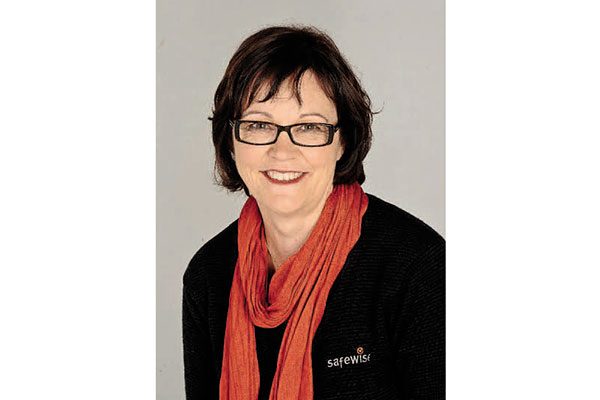
It’s essential that organisations manage their plant and equipment well, says Safewise director Tracey Murphy.
All organisations use plant and equipment. Safewise is primarily office-based but we have a few vehicles. There are air conditioning units and a printer in our office space. Obviously, transport organisations have trucks and trailers, probably forklifts. Civil contractors have even more. It’s essential that organisations manage their plant and equipment well.
This starts with purchase. Do you have a checklist that identifies the operational needs of the plant and equipment? Are there special requirements? Does it meet your minimum safety rating? In other words, is it the right tool for the job and does it meet the safety requirements?
Who is going to use it? These people may need familiarisation training (remember to record all training). A prestart checklist is important so that they know what to check, and you know it is being done.
Fault reporting: how is this managed in your organisation? Completing a faults section on the bottom of the prestart checklist is appropriate; ensure that this information is given to the appropriate person for remedy and that the follow-up is documented.
Planned maintenance is essential. You need a programme so that all plant and equipment is checked and serviced (as required) at the appropriate intervals. It is important to maintain a quality check on this work, whether it is undertaken in-house or externally. A good place to start with external providers is checking they have membership of industry organisations such as MTA. It is your responsibility to ensure that your providers are providing a quality service.
The Health and Safety at Work Act 2015 emphasises the relationship between multiple PCBUs (persons conducting a business or undertaking) and how each PCBU is responsible for their actions. The lead PCBU (in the case of an organisation using a third-party provider, e.g. mechanic, the lead PCBU would be the hiring organisation) has a greater responsibility. This responsibility includes checking the training and qualifications of the service providers’ staff. It could include the currency of the servicing and certification of their equipment, particularly if that equipment is brought on site.
You are entitled to ask about their quality system and how they check their work standard. There are instances where the performance of a third-party provider has contributed to an incident. The investigation will include your checking of their systems. There is potential for prosecution for both parties. The way to limit this is by having a robust health and safety system that includes good contractor or service provider management.
Tracey Murphy is the owner and director of Safewise Ltd, a health and safety consultancy. She has more than eight years’ experience working with organisations from many different industries. Tracey holds a Diploma in Health and Safety Management and a Graduate Diploma in Occupational Safety and Health, and is a graduate member of New Zealand Institute of Safety Management, and the Waikato branch secretary.
Read more
Fuel-efficient driving
0 Comments2 Minutes

Race to the Rock
0 Comments15 Minutes